The Unspoken Weight of an Emoji: When Silence Speaks Louder Than Words

Feb 10,2026
You know that moment. The text bubble appears, lingers, and then disappears. Or the message comes through, plain and simple, and your brain starts whirring. What did they mean by that? Was that sarcastic? Are they mad? In the silent void of a text thread, where tone of voice and body language vanish, even the simplest sentence can become a puzzle.
This is where we turn to our tiny, colorful saviors. We add a smiling face to soften a request. A laughing-crying emoji to signal a joke. But more often than we consciously notice, we're using emojis to carry something much deeper than just clarification. We're using them to ferry across the unspoken feelings that sit in our throats, the ones that feel too heavy or too vulnerable for words alone.
The Emoji as an Emotional Life Raft
Think about the last time you had to deliver slightly disappointing news. "I can't make it tonight, sorry." On its own, it feels cold, maybe even dismissive. But tack on a pleading face or a weary one, and the entire sentiment shifts. The emoji isn't just decoration; it's the life raft carrying your genuine regret across the digital sea. It says, "I wish I could be there," without you having to type out the extra sentence that might feel overly emotional or awkward.
This happens all the time in situations where silence feels heavier than sending something. A friend shares a minor frustration. Replying with just "That sucks" can feel insufficient, like you're brushing them off. But a single heart or a hugging face does the work of saying, "I see you, I hear you, and I'm here." It bridges the gap when words fail us, or when the right words feel too big for the small screen of a phone.
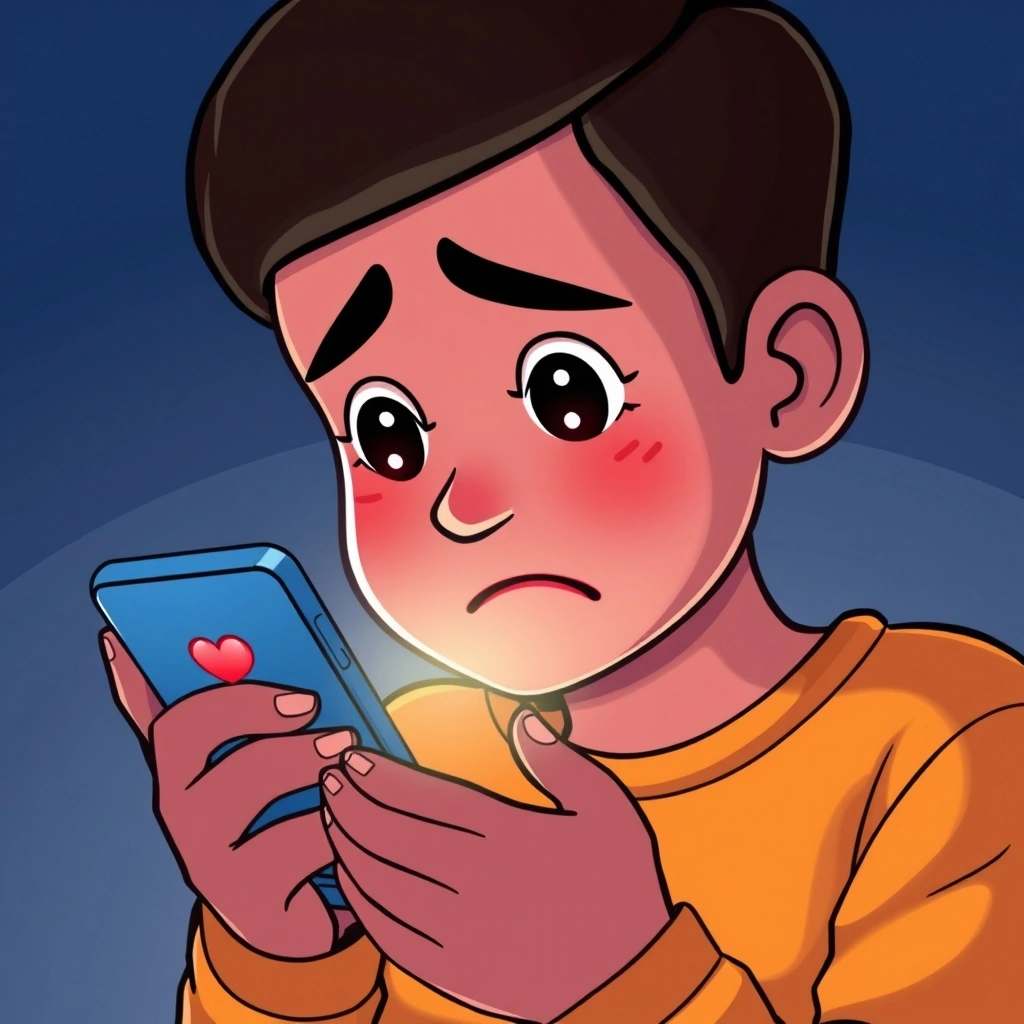
These small symbols become our secret handshake for complex emotions. They allow us to be vulnerable in a controlled, low-risk way. Saying "I'm really struggling today" is a huge, scary sentence to send into the world. But sending a message followed by a single weary face or a crumpled piece of paper? It conveys the same core message—"I'm not okay"—but with a layer of digital shorthand that somehow makes it feel safer to release.
It's fascinating how much context an emoji can provide. The difference between "Sure" and "Sure 😊" is a chasm of emotional intent. One is neutral, potentially passive-aggressive. The other is warm and agreeable. We instinctively understand this code. For more on how these tiny graphics bridge gaps we didn't even know we had, you might find this exploration of emojis as a secret weapon for awkward chats really interesting.
When the Emoji Is the Whole Message
Sometimes, the emoji doesn't just support the text—it is the text. Replying to a long, emotional vent from a friend with just a red heart. Reacting to a great photo with a fire emoji. These are complete conversations in a single character. They say, "I have received your emotional transmission and I am sending this specific feeling back to you." It's efficient, but it's also deeply meaningful. In a fast-paced world, taking the time to find and send the exact right emoji is a form of emotional labor and care.
This non-verbal layer of texting is crucial. Without it, our digital conversations would be barren landscapes of misinterpretation. The silence after a raw text message isn't just empty space; it's filled with the other person's anxiety, wondering how their words landed. An emoji response cuts through that anxiety. It's a signal flare in the dark, confirming receipt and offering an emotional payload in return.
Of course, this system isn't foolproof. Emojis can be misread, too. A smirk can seem smug. A tearful laugh can be confused for genuine sadness. But even in their ambiguity, they are trying to do a job that plain text cannot. They are injecting humanity—or our best digital approximation of it—back into a medium that inherently strips it away.
So the next time you pause, your thumb hovering over the emoji keyboard, searching for the perfect symbol, recognize what you're really doing. You're not just accessorizing your sentence. You're likely performing a delicate act of emotional translation. You're finding a small, colorful container for a feeling that's too big, too complicated, or too tender to spell out letter by letter. You're choosing to send a piece of your tone, your mood, your heart, across the invisible wires. And in a world where we communicate more through screens than ever, that tiny act is anything but small. It's how we stay human, one pixelated smile at a time. For other moments where these symbols step in to help, consider reading about when words fail and emojis bridge the silence.
📒 Related Blogs
More...Unleash the Fun: How Emojis Turn Casual Chats into Playful Mini-Games
The Silent Peacemakers: How Emojis Dissolve Digital Tension and Misunderstandings
The Secret to Effortless Chats: How Emojis Keep Your Conversations Alive
The Unwritten Rules: How Emojis Shape New Meanings in Online Communities
Unlocking Tone: How Emojis Reshape Professional Message Interpretation