The Unsung Heroes of Awkward Moments: How Emojis Carry Our Emotional Weight

Mar 16,2026
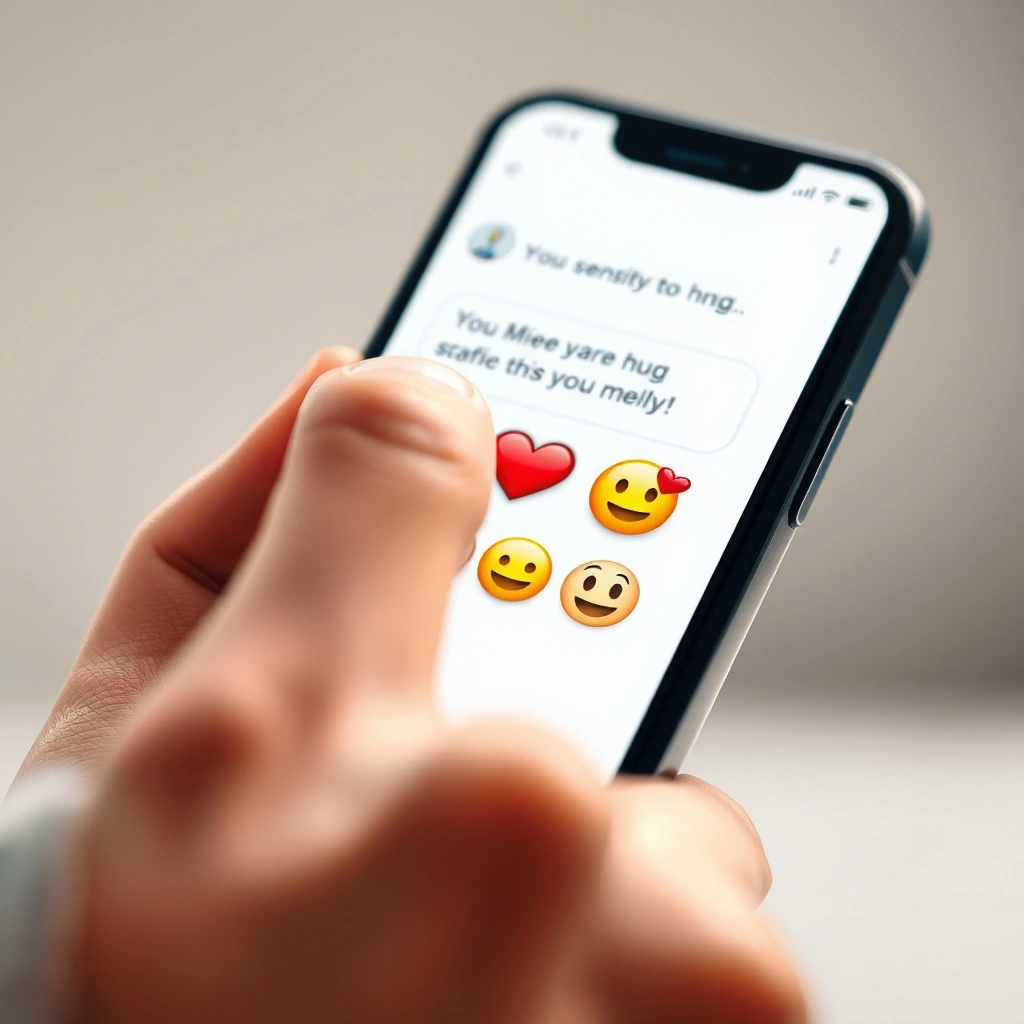
You stare at the screen, your thumb hovering. The message from your friend is heavy with unspoken hurt, a simple question masking a deeper plea for understanding. Your mind races, searching for the perfect combination of words that will soothe, validate, and connect. But in that heart-pounding pause, where emotion outpaces cognition, your finger finds it: the heart. Not just any heart, but that heart. You tap send before you can second-guess it.
In that micro-moment, the emoji did more than just fill a space. It absorbed the frantic energy of your search for the right thing to say. It carried the warmth you felt, the sympathy, the “I’m here,” without the risk of a clumsy sentence making things worse. This happens more than we realize. In socially sensitive situations—delivering bad news, navigating a disagreement, offering comfort—emojis become our emotional shock absorbers.
The Buffer Before the Words Form
Think about the last time you had to apologize. The “I’m sorry” text feels necessary but stark, almost clinical on its own. Adding a pleading face 😟 or a face with pleading eyes 🥺 instantly imports a layer of genuine remorse and vulnerability. It softens the landing. The emoji arrives first, carrying the emotional truth of your regret, giving you those extra few seconds to formulate the more complex verbal explanation that might follow. It holds the line.
This is especially true in group chats. Someone shares a minor setback. Replying with “That sucks” is accurate but could feel dismissive. A string of facepalm emojis 🤦♂️🤦♀️ or a crying face 😭 does something different. It doesn’t just acknowledge the event; it mirrors the shared feeling of frustration or sympathy. It says, “I’m groaning in solidarity with you,” effectively absorbing the potential awkwardness of a flat, text-only response. It performs a tiny piece of emotional labor on your behalf.
When Excitement and Anxiety Collide
Positive news can be just as emotionally fraught. A friend texts about a big, life-changing opportunity. You’re thrilled for them, but your own complex feelings—maybe a flicker of envy, or your own anxiety about their change—might momentarily tie your tongue. A barrage of party poppers 🎉, clapping hands 👏, and star-struck faces 🤩 buys you time. It delivers the unadulterated joy and support you genuinely feel, creating a celebratory space, while the more nuanced personal reaction settles within you. It’s like letting out a held breath visually. This function of holding our excitement is something we explore more in The Heart-Pounding Pause.
These icons act as emotional placeholders. They are the sigh, the wince, the supportive nod, and the celebratory hug that we cannot physically transmit through the screen. They arrive in the gap between feeling something and being able to articulate it with precision.
The Quiet Weight of the Unspoken
Perhaps the most profound absorption happens around disappointment and grief. How do you respond to “The doctor’s appointment didn’t go well” or “I didn’t get the job”? Words often fail spectacularly. In these voids, emojis like the folded hands 🙏, the red heart ❤️, or even the simple, heavy black heart 🖤 step in. They don’t try to fix the unfixable. Instead, they sit with the discomfort. They acknowledge the weight. A single heart emoji in reply to sad news is a silent, “I am holding this with you.” It absorbs some of the sharer’s loneliness by demonstrating presence. It’s a digital form of sitting quietly beside someone, which is sometimes the only appropriate response. The way emojis carry these heavier feelings is a topic we touch on in The Sigh in Your Pocket.

This isn’t about being lazy with language. It’s the opposite. It’s about recognizing that human emotion is multimodal. It’s facial expression, tone of voice, body language, and yes, sometimes, a pictographic symbol that captures a holistic feeling-state better than a dictionary ever could. The emoji doesn’t replace the conversation; it often makes the deeper conversation possible by first managing the initial emotional spike.
Our Pocket-Sized Emotional First Aid
So the next time you instinctively reach for the laughing-crying emoji 😂 to diffuse tension, or send a sunflower 🌻 just because it made you think of someone, recognize the subtle work being done. You’re not just decorating your text. You’re deploying a tiny, powerful tool for emotional regulation—both for yourself and the person on the other end.
In a world of digital communication that can often feel cold and ambiguous, these small symbols serve a critical function. They absorb the static of social uncertainty, cushion the blow of difficult messages, and amplify the warmth of good ones. They help us navigate the delicate edges of human connection, one heartfelt, funny, or tearful pictogram at a time. They are, in their own quiet way, the unsung heroes of our modern emotional vocabulary, carrying weight we seldom pause to appreciate.
📒 Related Blogs
More...The Secret Power of Emojis: How a Simple 😊 or 😬 Changes How People See You
Decoding Emojis: Surprising Hidden Meanings You Never Knew
The Digital Cushion: How Emojis Soften Our Online Words
The Surprising Power of Emojis to Keep Work Emails Neutral and Professional
The Unspoken Language: How Emojis Shape Your Online Conversations and Perceptions
The Secret Language of Emojis: How Online Communities Shape Our Digital Expression