When That Friendly Emoji Backfires: Navigating Misunderstandings at Work

Feb 23,2026
It was just a simple check-in message from my manager. "Can you have those reports finalized by EOD?" I typed back a quick "Sure thing!" and, wanting to sound enthusiastic and cooperative, I added a smiling face with smiling eyes. You know the one. It felt friendly, positive, like a digital nod of assurance.
An hour later, a colleague messaged me privately. "Hey, everything okay? Jen thought you might be annoyed about the deadline." I was floored. Annoyed? I was the opposite of annoyed. But in the sterile text of a project management thread, my well-intentioned emoji had apparently been read as sarcastic, or worse, dismissive. The warmth I meant to convey had turned into a chill.
This is the silent struggle of modern professional communication. We operate in a hybrid world of text—Slack threads, Microsoft Teams chats, email sign-offs—where tone is notoriously absent. Emojis rushed in to fill that void, offering a shorthand for emotion. But as my story shows, they aren't a universal language. They come with their own accent, their own cultural and contextual baggage that can lead to serious misreads.
Why Our Digital Intentions Get Lost
The core of the problem isn't the emoji itself. It's the lack of shared context. In a face-to-face conversation, your smile, your posture, and the cadence of your voice provide a full spectrum of meaning. In text, all of that is stripped away, leaving a lone symbol to carry an enormous emotional load.
What feels like a harmless winking face to you might read as unprofessional or flirtatious to an older colleague. A simple thumbs-up can be interpreted as the bare minimum of acknowledgment, even passive-aggressive, rather than genuine approval. The person on the other end is filtering that symbol through their own mood, their relationship with you, and their personal emoji lexicon.
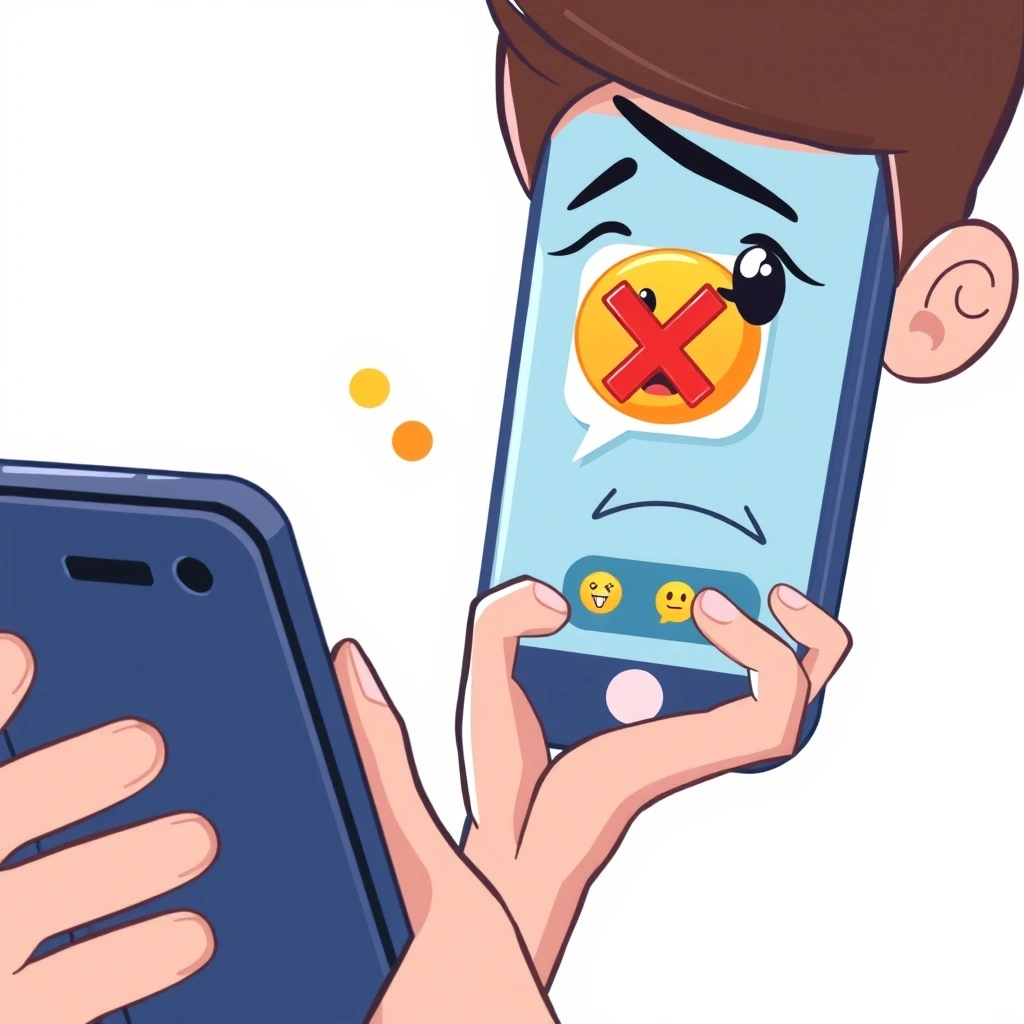
This ambiguity is especially potent in hierarchical relationships. An emoji from a boss to a direct report carries different weight than one between peers. A grimacing face from a superior after you've shared an update can send you into a spiral of anxiety, while they may have simply meant "Oof, that's a tough situation." We're all amateur linguists and psychologists, trying to decode these tiny pictures, often getting it wrong.
For more on the subtle ways emojis can create awkwardness, even in casual settings, this piece on emoji awkwardness really hits the nail on the head.
The High-Stakes Emoji Zones
Some professional scenarios are minefields for emoji misuse. Performance feedback is a big one. Sprinkling emojis into constructive criticism in an attempt to "soften the blow" can backfire spectacularly, making the feedback seem insincere or not serious.
Negotiations or saying "no" are another tricky area. A slightly smiling face after declining a request can seem smug. Apologies, too, require careful handling. An emoji in an apology can unintentionally undermine its sincerity, making it seem like you're not taking the situation seriously.
The most common pitfall, though, is the mismatch of medium and message. A dense, complex problem described in five paragraphs and capped with a party popper creates cognitive dissonance. The visual cue doesn't match the textual content, leaving the reader confused about your actual stance.
Building a More Forgiving Digital Space
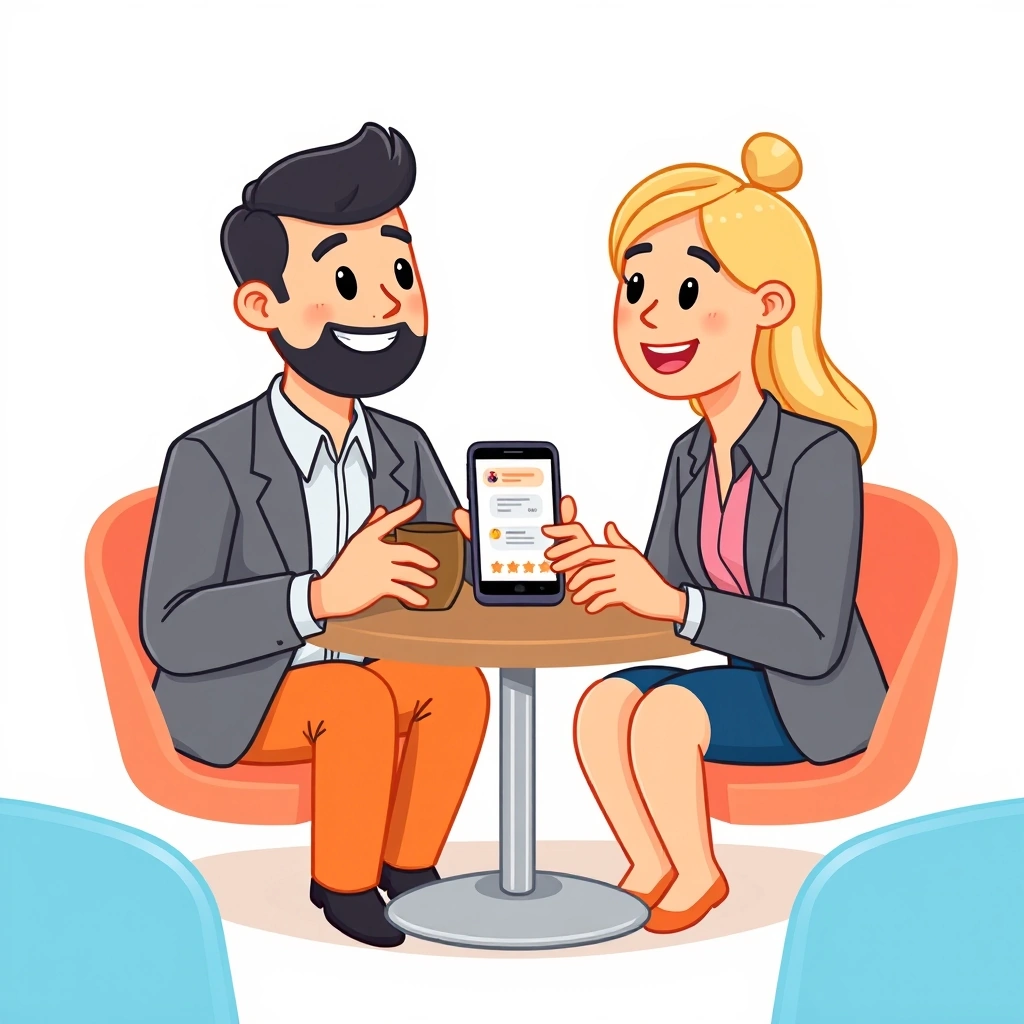
So, do we banish emojis from the workplace? Absolutely not. That would be throwing the baby out with the bathwater. They are a powerful tool for building rapport and expressing nuance in a flat medium. The goal isn't elimination, but mindful usage.
It starts with knowing your audience. If you're new to a team or communicating with senior leadership for the first time, lean towards clarity over cuteness. Use words first. A simple "Thanks, I appreciate it!" is often safer and warmer than a solitary folded hands emoji.
When in doubt, mirror the style of the person you're talking to. If they use emojis freely, it's generally safer to reciprocate within a similar range. This creates a shared communicative style. Also, consider the platform. A fire emoji might be standard praise on a social campaign update but bizarre in a formal email to legal.
Most importantly, we can all afford to grant each other a little more grace. If an emoji from a colleague gives you pause, consider the most generous interpretation first. Assume positive intent. And if you're really unsure, there's no shame in a gentle follow-up: "Just wanted to make sure we're aligned—my smile there was genuine enthusiasm!"
Our journey with emojis at work is still evolving. They are a language we're all learning in real-time. For a deeper look at other common pitfalls, explore our broader collection of insights on emoji mistakes and misuse.
The next time you hover over that emoji keyboard in a work chat, take a half-second pause. Think about the human on the other side of the screen. Your goal isn't just to send a symbol, but to bridge a gap. Sometimes that means choosing the perfect emoji. And sometimes, it means knowing that the clearest signal you can send is a few thoughtfully chosen words.
📒 Related Blogs
More...The Hidden Grammar of Emoji Pairs: How Two Tiny Icons Change Everything
Did You Just Offend Someone? The Hidden Traps of Emoji Misuse in Digital Chats
The Secret Language: How Emojis Unleash Powerful Reactions in Shared Social Posts
How a Simple Emoji Can Save Your Team From a Major Slack Misunderstanding
How Emojis Became My Secret Weapon for Everyday Connection
The Shifting Faces of Digital Culture: How Emojis Mirror Our Online Worlds