The Hidden Language of Emojis: When Your Friendly Text Sends the Wrong Vibe

Mar 23,2026
We've all been there. You send a quick text, punctuated with what you think is a perfectly friendly emoji, only to be met with a confused reply or, worse, radio silence. It feels like a tiny, colorful betrayal. How could something so simple go so wrong?
Emojis are the spice of digital conversation. They add flavor, tone, and a dash of personality to our otherwise flat text. But just like adding too much chili to a dish, the wrong emoji in the wrong context can completely change the message. It's rarely about the obvious blunders—we all know the skull emoji doesn't mean literal danger anymore. The real misunderstandings happen in the subtle, quiet spaces of interpretation.
It's Not You, It's Your Audience
The core of the issue is that emojis aren't a universal language with a fixed dictionary. They're more like a living slang, evolving and shifting meaning based on who's using them and who's receiving them. The person on the other side of the screen brings their own history, culture, age, and even platform habits to the decoding process.
For instance, that grinning face with smiling eyes? To you, it might signal genuine, warm happiness. To someone else, especially from an older generation or a different cultural background, it might read as smug, sarcastic, or even mocking. There's no malice intended, but the signal gets crossed in transmission.
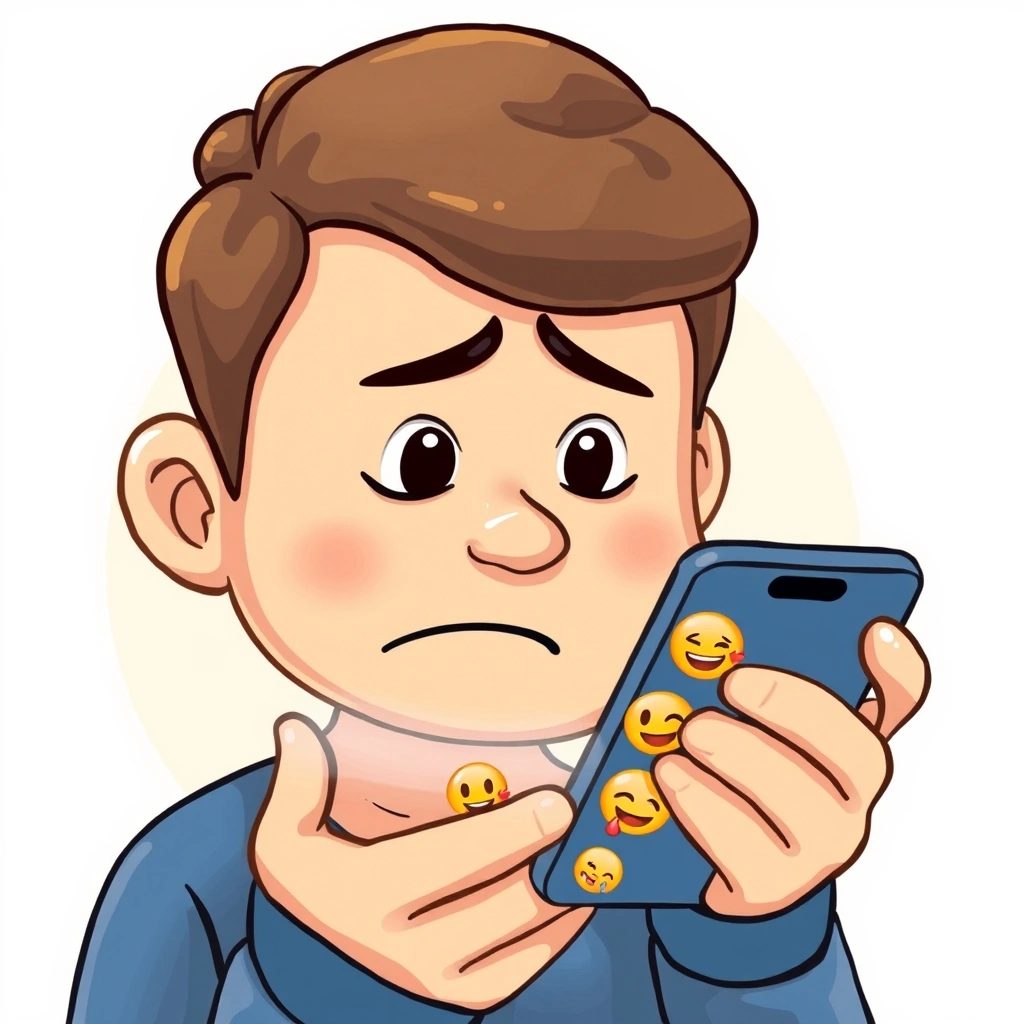
This becomes especially tricky in professional settings. A simple thumbs-up to acknowledge a message might feel efficient to you, but to a colleague or client who expects a more formal "Received, thank you," it can come across as dismissive or lazy. It creates what I like to call The Emoji Gap—a disconnect between intent and perception that's hard to bridge with more words.
The Platform Plays a Role, Too
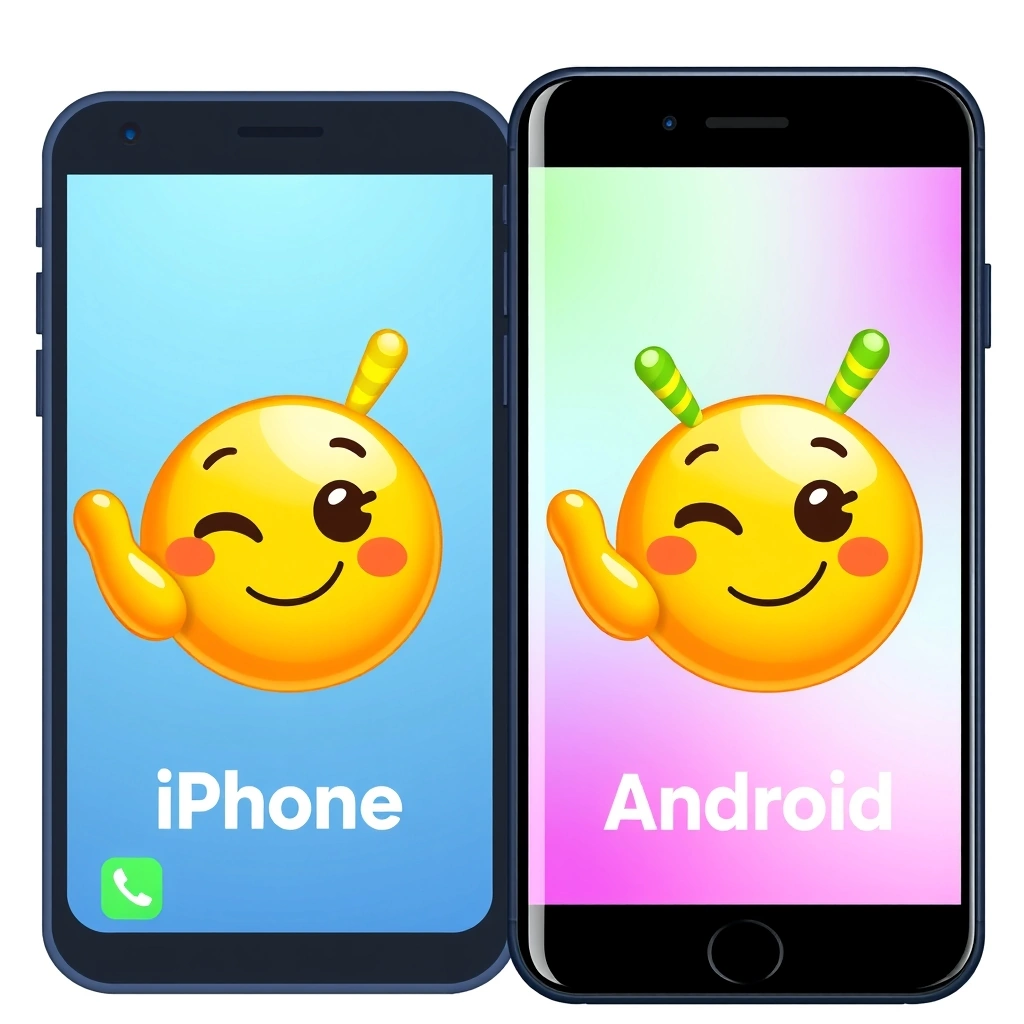
Don't forget that an emoji on an iPhone can look dramatically different on an Android device or a Windows computer. A winky face that appears playful and cheeky on your screen might render as a slightly creepy, exaggerated leer on theirs. These visual differences, though seemingly minor, directly influence emotional interpretation. You're not just sending a code; you're sending a specific piece of art that the recipient's device decides how to paint.
This is why diving deeper into common emoji pitfalls is so useful. It's not about memorizing rules, but about developing an awareness of these invisible layers.
When Tone Gets Lost in Translation
The biggest casualty in these mix-ups is tone. Text strips away vocal inflection, facial expressions, and body language. We use emojis to put that tone back in. But when our intended tone (playful, supportive, excited) is misinterpreted (sarcastic, passive-aggressive, indifferent), it can lead to genuine awkward digital moments.
Think about the crying-laughing face. It's the quintessential "I'm laughing so hard I'm crying" emoji for many. But it's also been used so much for mild amusement or even as a nervous filler that its intensity has diluted for some audiences. Sending it in response to someone sharing a minor inconvenience might make them feel you're laughing at them, not with them.
Or consider the simple red heart. Among close friends, it's a symbol of love and support. In a new work chat? It might be perceived as overly familiar or even unprofessional. The context of the relationship completely rewires the emoji's meaning.
Navigating the Unwritten Rules
So, what can we do? The goal isn't to stop using emojis—they're too valuable for connection. The goal is to use them with more mindfulness.
Start by considering your audience. Is this a close friend who shares your emoji vocabulary? Or is it a new acquaintance, a superior at work, or someone from a different age group? When in doubt, especially in formal or sensitive communications, simpler is often safer. A smiley face :) is widely and consistently understood as friendly.
Pay attention to the conversations you have. If someone consistently uses certain emojis, mirroring their style can be a great way to ensure you're on the same wavelength. It's a form of digital empathy.
Ultimately, emojis are a powerful, wonderful tool for human connection. Their ambiguity is also their strength, allowing for playful and creative expression. The occasional misunderstanding isn't a failure; it's a reminder that communication, in any form, requires a bit of care and a willingness to clarify. Sometimes, the best emoji to follow up a confusing exchange is none at all—just a few honest words to ask, "Hey, what did you mean by that?"
📒 Related Blogs
More...The Unintentional Awkwardness: When Emojis Feel Out of Place
The Hidden Power of Emojis in Your Private Chats
The Hidden Language of Emojis: How a Simple 😊 Changes Everything You Say
When Emojis Muddle Your Message: The Unseen Pitfalls of Casual Chat
The Unsung Heroes of Your Chats: How Emojis Keep the Conversation Alive
Why Emoji Combinations Are the Ultimate Conversation Hack in Casual Chats