The Hidden Pitfall of Emojis: How They Twist Your Tone Without You Knowing

Mar 24,2026
You know the feeling. You send a quick message, add a friendly emoji, and hit send. Then… silence. Or worse, a reply that feels a little off. You re-read your words. They seemed fine. So what happened? Often, the culprit is that tiny, colorful icon you thought was helping.
Emojis are meant to be the body language of the digital world. They’re supposed to clarify tone, to show we’re joking, or to soften a request. But here’s the twist: they don’t have a universal dictionary. The meaning you intend and the meaning someone receives can be worlds apart, especially across different audiences.
When Friendly Becomes Sarcastic
Think about the simple smile. To you, it’s genuine warmth. To your best friend, it’s an inside joke. But to a new coworker? It might read as passive-aggressive or even dismissive. The context of your relationship completely changes the emoji’s emotional weight.
This isn't about anyone being overly sensitive. It's about the inherent ambiguity of pictures. A written “okay” is neutral. An “okay” followed by a certain face can range from sincere agreement to simmering frustration. The receiver’s mood, their past experiences with you, and even their cultural background all act as filters.
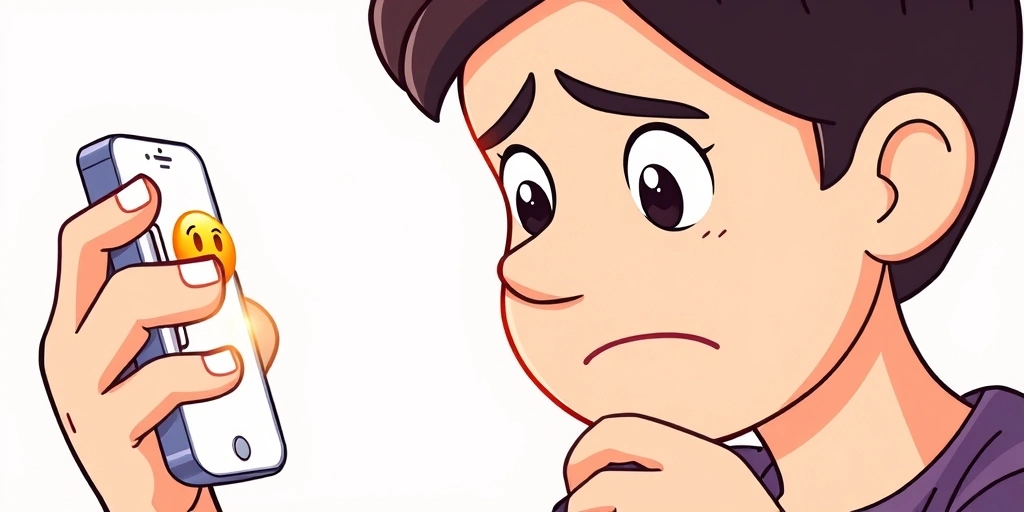
I once texted my sister “Great job on the presentation! ” after a big work meeting. I meant it as enthusiastic, proud support. She called me later, sounding hurt, asking if I was making fun of her. To her, in that moment of post-presentation anxiety, the clapping hands felt sarcastic, like a slow, mocking clap. My intention and her interpretation were on different planets.
The Audience is Everything
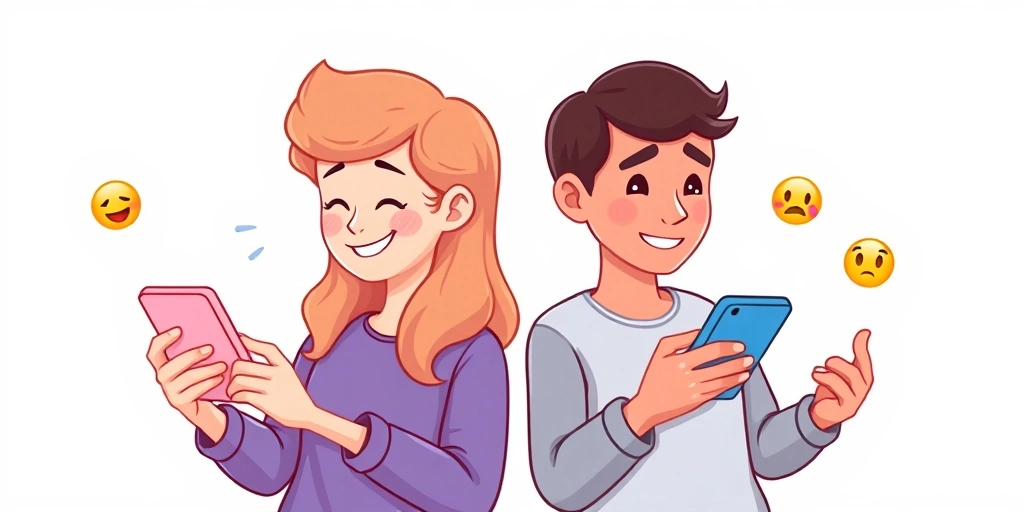
The same message, with the same emojis, will land differently in a group chat with college friends versus a thread with your parents. Your friends might get your ironic use of the crying-laughing face. Your mom might genuinely think you’re upset.
This gets even trickier in professional settings. A winking face to a close colleague might signal a shared understanding. To a client or your boss, it can seem unprofessional, flippant, or even creepy. The informal shorthand of our personal lives doesn't always translate. For more on navigating this professional tightrope, this article on emoji misreads at work is a great resource.
Why Does This Happen?
It boils down to one thing: emojis are not words. Words have more stable definitions. Emojis are more like gestures—open to interpretation. A thumbs-up can be “got it,” “good job,” or “I’m annoyed but I’m ending this conversation.”
We also project our own feelings onto them. If you’re already feeling insecure about a question you asked, a simple reply with a smiley might feel patronizing. If you’re in a great mood, that same smiley feels affirming. The emoji itself is a blank screen, and we color it with our own emotions.
This phenomenon is part of a larger pattern of digital miscommunication. If you're fascinated by why these cute icons cause so much confusion, you might enjoy exploring the deeper reasons behind the emoji enigma.
Navigating the Ambiguity
So, do we stop using emojis? Of course not. They add irreplaceable color and connection to our chats. The key is mindful use.
Before you send, pause. Consider your audience. Would your grandma get the joke? Would your boss? When the stakes are high—apologies, important requests, sensitive feedback—sometimes words alone are clearer. A heartfelt “I’m really proud of you” leaves no room for misinterpretation.
When in doubt, you can also mirror the other person’s style. If they communicate plainly, hold back on the emojis. If their messages are full of them, you can feel safer joining in.
At the end of the day, emojis are a tool for connection. Like any tool, they work best when we understand their quirks. By recognizing that our intended tone isn’t always the received tone, we can use them more thoughtfully. We can choose the emoji that fits not just our feeling, but the person on the other side of the screen. It’s a small shift in thinking that can prevent a lot of big misunderstandings, making our digital conversations feel more like the real, warm connections they’re meant to be.
For more stories and tips on common emoji slip-ups, check out our collection on emoji mistakes and misuse.
📒 Related Blogs
More...How a Simple Emoji Can Ease the Awkwardness in Everyday Texts
The Ever-Shifting Emoji Code: How Online Trends Reshape Digital Language
The Psychology of Emojis: Why We Can't Live Without Digital Icons
The Hidden Power of Emojis: How Tiny Icons Shape Our Digital Relationships
Emoji Magic: How a Single Icon Changes Everything in Online Conversations
The Unseen Cost of a Careless Emoji: How Tiny Icons Create Big Confusion