The Slow Burn: How Emojis Quietly Create Awkwardness Over Time

Feb 26,2026
We've all been there. You send a text with a smiling emoji, and the reply comes back flat. Or you use a laughing-crying face for the hundredth time, and suddenly it feels like it doesn't mean what it used to. The awkwardness with emojis rarely hits like a lightning bolt. More often, it's a slow drip, a quiet build-up of tiny misunderstandings that leaves a conversation feeling just a little bit off.
It starts innocently enough. A new friend always ends their messages with a heart. It feels warm, friendly. But then, weeks later, you notice the hearts have stopped. Did you do something wrong? Or are they just busy? You overthink a symbol that, in another context, you wouldn't think twice about. The emoji itself hasn't changed, but its emotional weight in your specific relationship has.
The Shifting Sands of Meaning
Emojis are not static. Their meaning evolves within the private language of every friendship, relationship, and group chat. The winking face you use with your best friend means something completely different than the winking face you use with a coworker. The problem arises when those contexts blur, or when one person's interpretation starts to drift away from the other's.
Consider the simple thumbs-up. For years, it was a harmless sign of agreement. Now, for many, it carries a whiff of passive-aggression or dismissiveness. If you're still using it in its original, positive sense while your friend reads it as cold, you're having two different conversations. This kind of gradual semantic shift is a major source of long-term awkwardness.
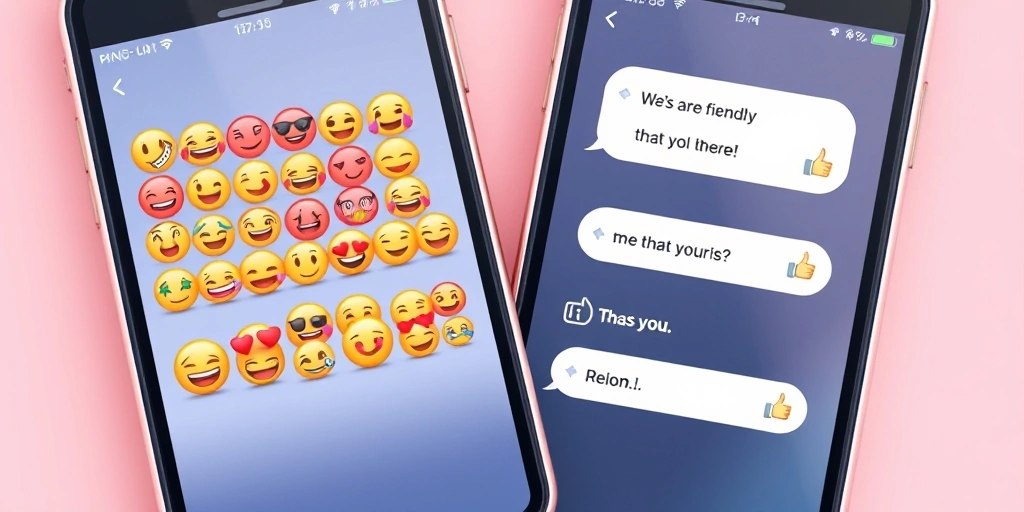
These shifts don't happen in a vacuum. They're influenced by memes, by viral tweets, by the way our broader culture talks about digital tone. An emoji that was perfectly safe six months ago can suddenly become loaded with new, unintended subtext. When your usage doesn't keep pace with the collective understanding, you risk sending a message you never meant to send.
The Accumulation of Small Moments
The real strain comes from repetition. One slightly off-kilter emoji is forgettable. But a pattern of them creates a narrative. If someone consistently responds to your exciting news with just a "👍" instead of the celebratory emojis you expect, you might start to feel they aren't truly happy for you. You're not reacting to the single symbol; you're reacting to the story all those symbols have written over time.
This is where emotional distance creeps in. You might pull back, sharing less. The other person might sense your coolness and reciprocate, not understanding the root cause was a string of tiny pixels. The connection frays, not from a dramatic fight, but from a death by a thousand emoji cuts.
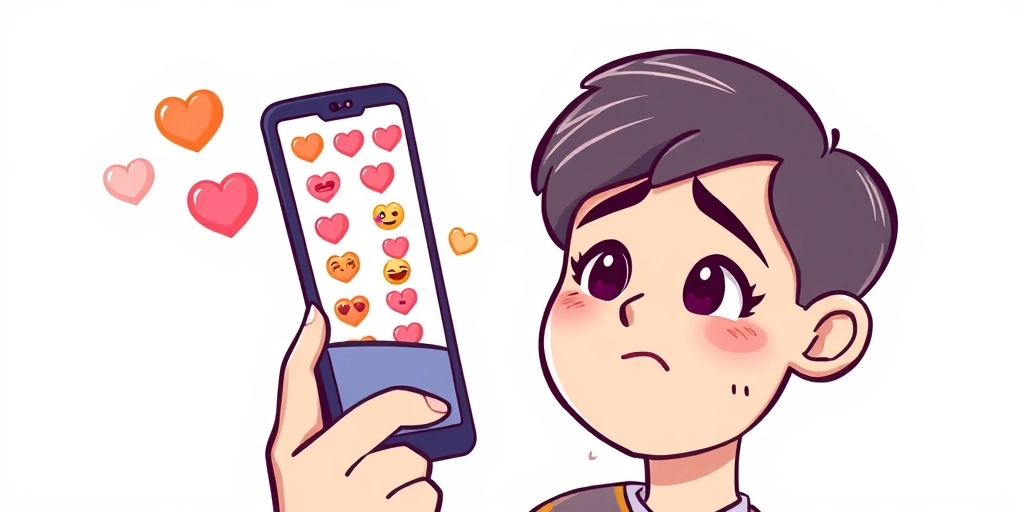
Sometimes, the awkwardness stems from a mismatch in enthusiasm. You're a prolific emoji user, painting your texts with color and emotion. Your correspondent is more minimalist, using words alone. Over time, you might start to feel your expressive energy isn't being matched, that your attempts to convey warmth are falling flat. They, on the other hand, might feel pressured to perform a level of digital effusiveness that doesn't feel natural to them. It's a classic case of mismatched communication styles, amplified by symbols.
When the Context Fades Away
Another common source of long-term awkwardness is the loss of original context. That inside-joke emoji you used for months in a group chat? When the joke is forgotten but the emoji lingers, its use becomes confusing. It's a relic without a museum, a signal that no longer points to anything clear. Its continued use can create a subtle in-group/out-group dynamic, even among the original members.
Similarly, revisiting old messages can be a minefield. A heart or a kissy-face emoji exchanged in the early, excited days of a friendship or romance can look very different after a falling out or a gradual drift apart. The emoji is frozen in time, a bright, cheerful artifact of a connection that has since changed or cooled. Seeing it again can bring up a confusing mix of nostalgia and awkwardness.
There's also the fatigue factor. Overusing a particular emoji can drain it of all meaning. The crying-laughing face is a prime victim of this. What was once a genuine marker of hilarity can, through overuse, become a mere punctuation mark, a default response that signifies nothing more than "message received." When you then try to use it sincerely for something actually funny, its impact is gone. The receiver might not believe the emotion you're trying to convey. For more on how emojis can accidentally cause hurt, this piece on the unseen sting of emojis explores related territory.
So, what's the way forward? There's no simple fix. Awareness is the first step. Recognizing that emojis are a dynamic, context-heavy layer of language, not a universal code, can make us more mindful communicators. It can encourage us to check in, to use words when tone feels fragile, and to remember that the person on the other side is interpreting our symbols through their own ever-changing lens. The goal isn't to stop using emojis, but to understand that, like any language, they require care and occasional translation to keep our digital conversations from quietly slipping into awkward silence.
📒 Related Blogs
More...The Quiet Nod in the Chat: How a Simple Emoji Says 'I See You' to Family
How a Simple Emoji Can Defuse a Heated Online Argument
How Emojis Keep Up with the Ever-Changing Digital World
The Surprising Power of Emojis to Keep Work Emails Neutral and Professional
The Secret Language of Emojis: Decoding Regional & Cultural Differences
The Hidden Power of Emojis: How a Simple Icon Can Change Everything